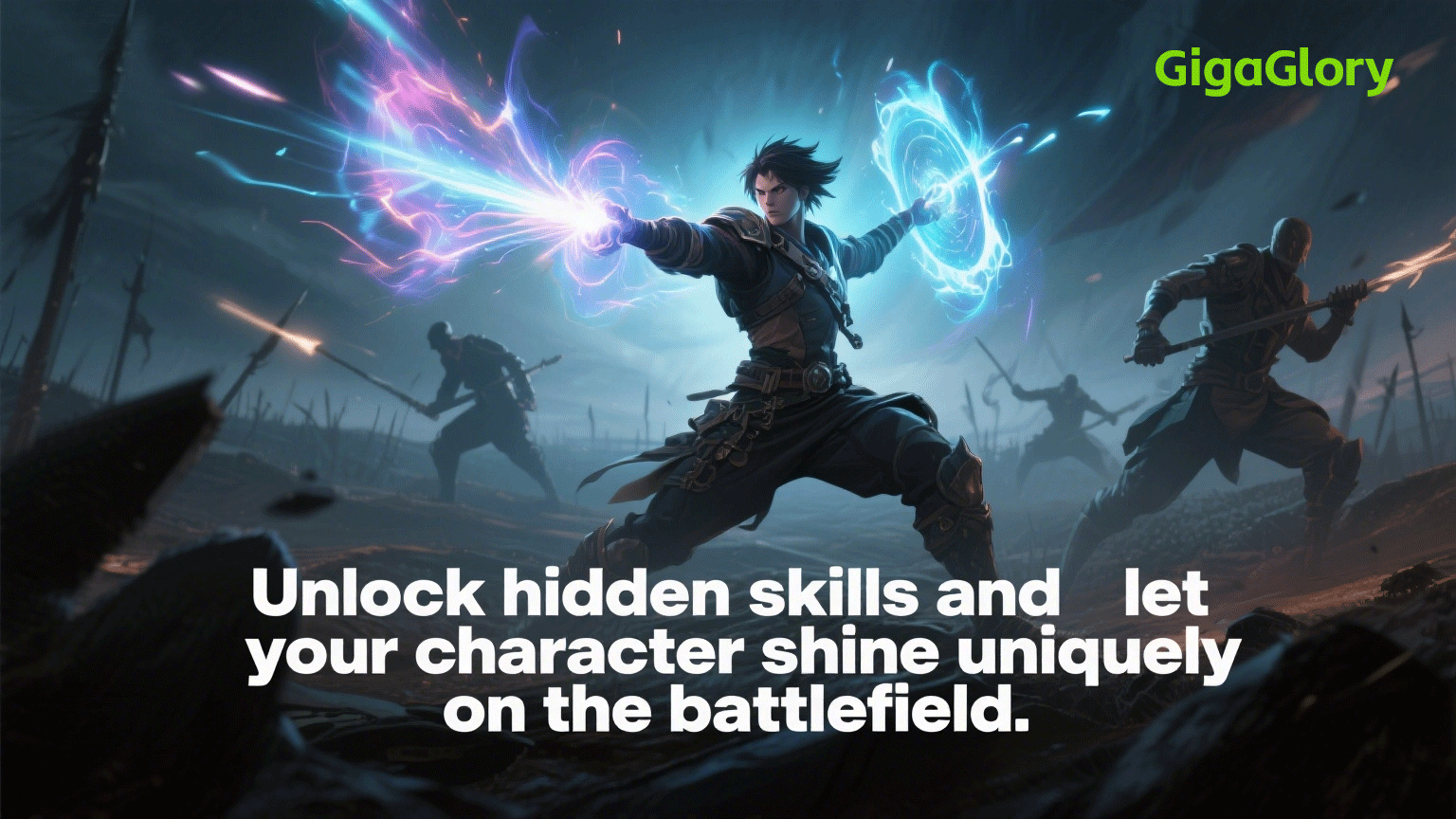
From Fantasy to Reality: How RPG Games Evolve into Life Simulation Experiences
Role-Playing Games (RPGs) have come a long way since their inception. Initially rooted in fantasy and adventure, these games have significantly evolved, blending elements from life simulation games. This transformation has affected player engagement and user experience, marking a distinct shift in gaming culture. In this article, we explore how RPGs are integrating life simulation elements and what this means for the future of gaming.
The Blurring Lines: RPGs and Life Simulation Games
RPGs were once confined to epic stories and combat mechanics. However, today's games often incorporate life simulation features that enhance storytelling and player interaction. Here are some key points highlighting this trend:
- Character Customization: Players can now design their avatars in detail, affecting gameplay uniquely.
- Realistic Environments: RPGs like "The Sims" and "Stardew Valley" offer immersive worlds resembling real-life.
- Social Interactions: The emphasis on building relationships adds emotional depth, similar to life simulation titles.
RPGs vs. Life Simulation Games: A Comparison
| Feature | RPG Games | Life Simulation Games |
|---|---|---|
| Character Evolution | Experience-based leveling | Life experiences and relationships form development |
| Setting | Fantasy worlds | Realistic environments |
| Goals | Defeating foes, completing quests | Building a life, managing relationships |
| Player Agency | Story choices and questlines | Day-to-day decision-making |
Case Study: EA Sports FC 25 Standard Edition - PlayStation 5
The recent launch of EA Sports FC 25 Standard Edition for PlayStation 5 showcases the blend of RPG and simulation elements. Players can create teams, manage athletes, and engage in the career mode where decisions impact outcomes, seamlessly integrating RPG-like character progression with life simulation strategies. This fusion broadens the player base, appealing to fans of both genres.
Impact on Player Experience
Players now demand deeper narratives and engaging mechanics, driving developers to rethink traditional game design. Life simulation aspects in RPGs help in:
- Enhancing User Investment: The emotional connection built through character development keeps players engaged.
- Diverse Gameplay: The integration allows for various play styles—from combat to life management.
- Community Building: Many RPGs include online elements that encourage social interaction among players.
Conclusion
The transformation of RPGs into more life simulation-oriented experiences marks a significant evolution in the gaming landscape. This hybridization caters to diverse player preferences, making gaming more inclusive and multifaceted. As technology advances and player expectations grow, it will be fascinating to see further innovations in the RPG genre. Whether through dynamic storytelling, enhanced character development, or integrating real-life elements, the future of RPGs is certainly bright.
FAQs
- Q: Are RPGs no longer focused on combat?
- Q: How do life simulation elements improve RPGs?
- Q: Will this trend continue?
A: While combat remains a core element, many RPGs are expanding to include life simulation features that offer more diverse experiences.
A: They add emotional depth by enhancing player investment in characters and relationships, leading to a richer gaming experience.
A: Given the demand for immersive experiences, it's likely that we will see more RPGs incorporating life simulation aspects in the future.