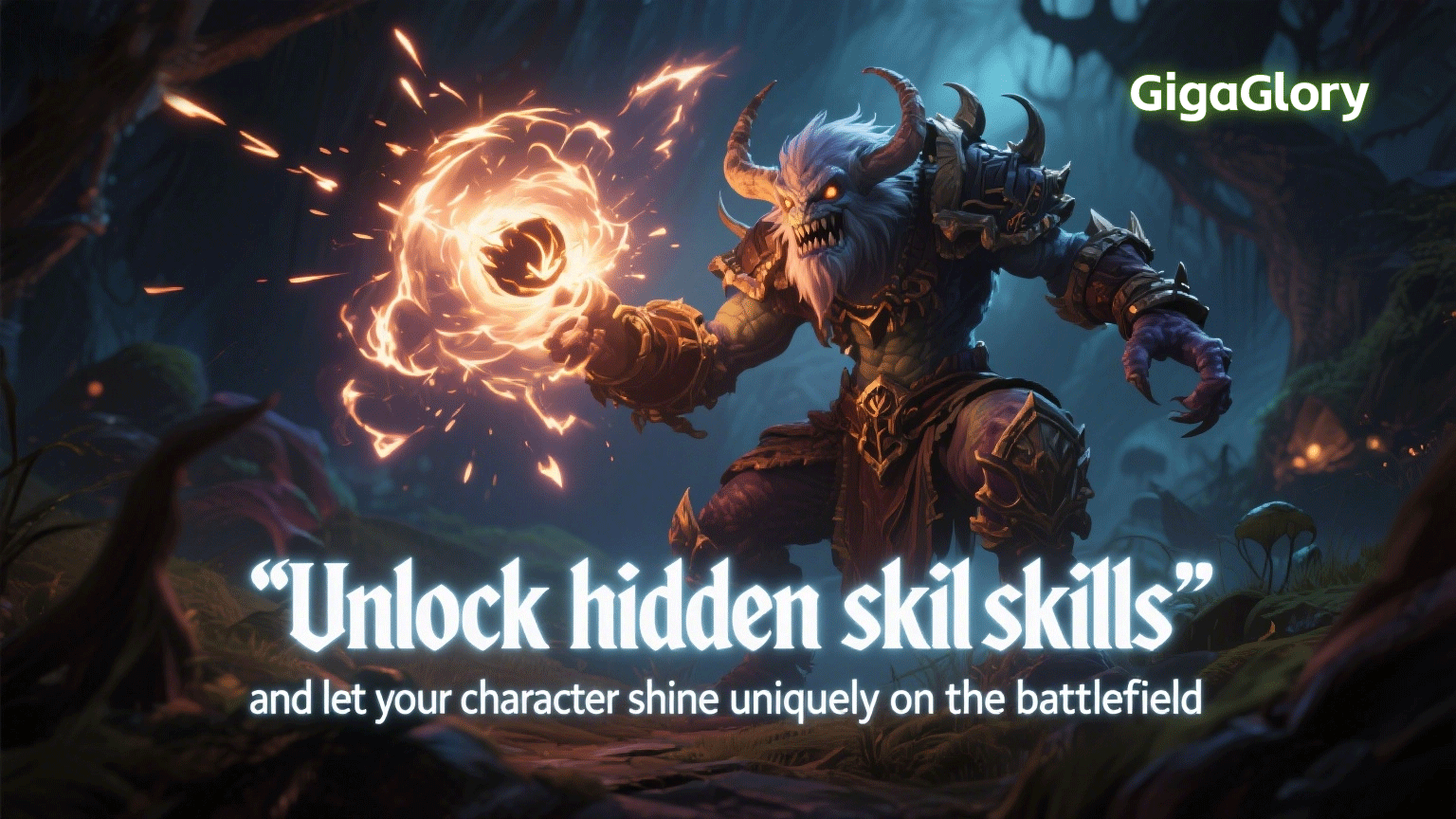
Why Hyper Casual Games Are the Future of Multiplayer Gaming: Trends and Insights
Multiplayer gaming has taken the world by storm, and within this vast landscape, one genre is rapidly emerging—hyper casual games. These simple yet addictive games are not just a passing trend; they are reshaping the future of how we view multiplayer gaming. This article delves into why hyper casual games are at the forefront, analyzing trends, insights, and what the future holds for these engaging digital experiences.
Understanding Hyper Casual Games
Hyper casual games are defined by their minimalist design and straightforward gameplay mechanics. Unlike traditional games that may take hours of dedication, hyper casual games can be enjoyed in short bursts, making them highly accessible. With simple controls and immediate gratification, these games attract players from various demographics. Here's a quick breakdown of hyper casual games:
- Accessibility: Easy to download and play.
- Minimalistic Design: Focus on clean graphics and user-friendly interfaces.
- Short Session Times: Ideal for casual gaming, fitting seamlessly into daily routines.
The Rise of Multiplayer Components
The surge in hyper casual games is no accident. Many developers are integrating multiplayer features into these simple mechanics. From competing for high scores to engaging in real-time matches, the multiplayer element enhances overall enjoyment. Let's take a look at some notable hyper casual multiplayer games:
| Game Title | Platform | Multiplayer Features |
|---|---|---|
| “Color Switch” | Mobile | Competitions with friends |
| “Slither.io” | Web/Mobile | Real-time player-versus-player |
| “Paper.io” | Mobile/Web | Capture territory in multiplayer |
Trends Shaping the Hyper Casual Gaming Landscape
Keeping up with player preferences and technological advancements is crucial for developers. Several trends are beginning to shape the future of hyper casual games:
1. Cross-Platform Gaming
Players desire flexibility, and cross-platform options allow individuals to play with friends regardless of the device being used. This trend promotes a broader audience and fosters more engagement.
2. Social Integration
Linking social media accounts for easy sharing of achievements enhances connectivity among players, making the gaming experience more communal and inclusive.
3. Improved Graphics and UX
As user expectations grow, developers are investing in better graphics and user interfaces without compromising the simplicity that defines hyper casual games.
Why Multiplayer and Hyper Casual Go Hand in Hand
Many players today seek quick, enjoyable experiences that don’t require substantial time commitments. Hyper casual games excel in this regard. Studies show that games focusing on quick sessions cater effectively to the needs of modern gamers—especially millennials and Gen Z, who appreciate the convenience of mobile gaming.
The Psychology Behind Hyper Casual Multiplayer Games
The simplistic yet gratifying design of hyper casual games plays a significant role in their appeal. They remove barriers typically associated with traditional gaming:
- Quick learning curves.
- Instant feedback and progression.
- A welcoming environment that encourages participation.
Games with the Best Story and Music—Will They Survive?
While hyper casual games thrive on simplicity, more narrative-driven games with superior storylines and music still have their place. However, the challenge is great. Will these traditional games adapt to the rapid pace of lifestyle changes? Here are some thoughts:
- Engaging Narratives: Players crave depth and connection.
- Immersive Soundtracks: Great music enhances emotional experiences.
- Adapting to Trends: Combining story with hyper casual mechanics may yield success.
Monetization Strategies in Hyper Casual Multiplayer Games
The monetization model for hyper casual games is unique and impactful. Common strategies include:
- Ad-Based Revenue: Integrating ads during gameplay.
- In-App Purchases: Offering additional content for purchase.
- Subscription Models: Providing ad-free experiences for a monthly fee.
The Impact of Somalia Delta Force on Gaming Culture
There is a significant intersection between real-life events and video games, as seen with groups like Somalia Delta Force. Such factions impact gaming narratives and community perceptions. This leads to a range of gaming content—strategy-focused titles often flourish, inspiring hyper casual spin-offs that challenge traditional notions.
Future Projections for Hyper Casual Multiplayer Games
As we look ahead, the future of multiplayer gaming seems to be in hyper casual titles. With advancements in technology and changing player preferences, we can anticipate:
- Increased social features in games.
- More innovative multiplayer game concepts.
- Growing integration with Virtual Reality (VR) and Augmented Reality (AR).
Conclusion
Hyper casual games are not merely a fad; they represent the future of multiplayer gaming. Their addictive simplicity combined with social connectivity offers an engaging experience that resonates profoundly with contemporary audiences. As the gaming industry continues to evolve, those who can adapt—merging traditional gaming elements with hyper casual trends—stand the best chance of succeeding. Indeed, the rise of hyper casual multiplayer gaming is not just a trend; it's a transformative wave taking the gaming world by storm. As players seek redefined experiences, hyper casual games will play an essential role in shaping the future landscape of gaming.